

Everything You Need to Know About Drafting, Designing, and Publishing an ESG Report.
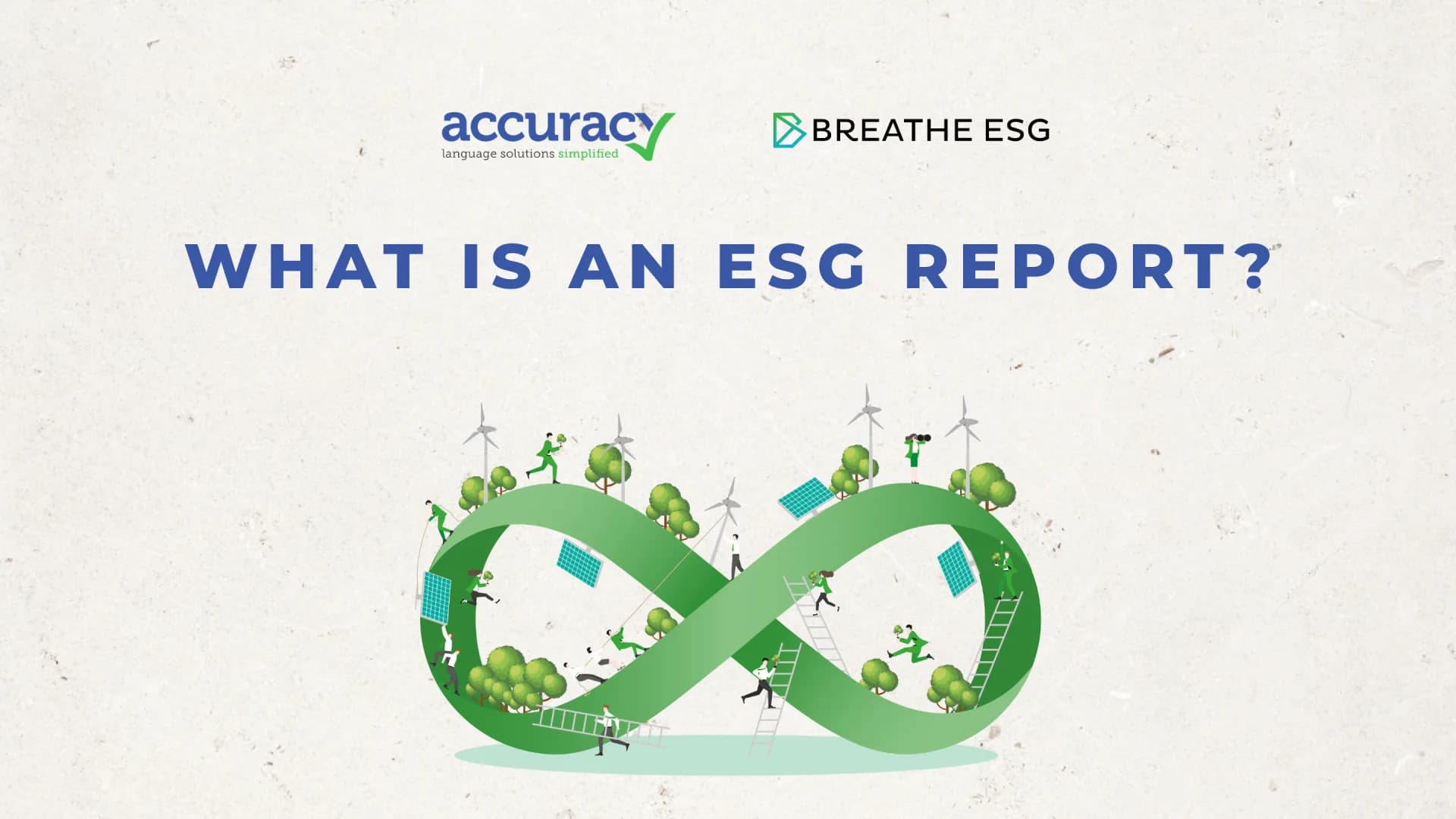
In the current global economy, a company is no longer judged solely by
its profit margins. Investors, regulators, and the public now look at a
broader set of metrics to determine a firm's long-term viability. This is
where the ESG report, also known as a sustainability report, comes into
play. ESG stands for Environmental, Social, and Governance. It is a
structured disclosure that provides a transparent look at how an
organization manages risks and opportunities related to these three
pillars.
For businesses operating in the Middle East, particularly in
rapidly diversifying economies like Saudi Arabia and the United Arab
Emirates, ESG reporting has shifted from a voluntary luxury to a
strategic necessity. With initiatives like the Saudi Vision 2030 and the
UAE Net Zero 2050 pathway, the demand for high-quality ESG reporting and
transparent disclosure is at an all-time high. An ESG report serves as a
bridge of trust between a corporation and its stakeholders, proving that
the leadership is committed to sustainable growth.
Why are companies in the Middle East prioritising sustainability?
The regional shift toward sustainability is driven by both global
pressure and local ambition. Financial hubs in Riyadh, Dubai, and Abu
Dhabi are increasingly aligning with international capital markets.
International investors now require standardized ESG data before
committing capital. Without a clear report, a company may face higher
borrowing costs or be excluded from major investment portfolios.
Furthermore, the academic community in the region is playing
a vital role. Researchers are focusing on climate resilience and social
equity, and their work plays a role in regional sustainability trends.
This synergy between corporate action and academic research creates a
robust ecosystem where data-driven reporting becomes the gold standard
for success.
What are the essential pillars of an ESG report?
To understand how to draft an ESG report, one must understand the three core components:
- • Environmental: This covers the company's impact on the planet. It includes greenhouse gas emissions (Scope 1, 2, and 3), energy efficiency, waste management, and water usage.
- • Social: This pillar focuses on people. It examines labor practices, diversity and inclusion, employee engagement, and community relations.
- • Governance: This relates to the internal system of practices, controls, and procedures a company adopts to govern itself and make effective decisions. It includes board diversity, executive pay, and anti-corruption measures.
How do you begin the technical drafting process?
Drafting an ESG report is a complex journey that begins with a materiality
assessment. This is the process of identifying which ESG issues are most
important to your business and your stakeholders. For instance, a tech
company might prioritize data privacy and energy-efficient data centers,
while a manufacturing firm might focus on supply chain ethics and carbon
output.
Once the material topics are identified, the data collection
begins. This requires meticulous attention to detail. You must gather
quantitative data, such as kilowatt-hours of energy used, and qualitative
data, such as descriptions of new corporate governance policies.
Consistency is vital; if your data collection is disorganized, the final
report will lose credibility.
Which international frameworks should you follow?
To ensure your report is recognized globally, you must align with established frameworks. The most common include:
- 1. GRI (Global Reporting Initiative): The most widely used standard for impact reporting.
- 2. SASB (Sustainability Accounting Standards Board): Focuses on industry-specific financial materiality.
- 3. TCFD (Task Force on Climate-related Financial Disclosures): Specifically addresses climate-related financial risks.
Every claim made in an ESG report must be backed by evidence and cited correctly to pass the scrutiny of auditors and regulators.
Why is sustainability report design critical for stakeholder engagement?
A common mistake is thinking that an ESG report is just a collection of
spreadsheets. In reality, the way you present the data is just as
important as the data itself. This is where sustainability report design
becomes a competitive advantage.
An ESG report is often hundreds of pages long. Without
high-quality business document design, the reader will likely miss the
most important information. Good design uses visual hierarchy,
infographics, and clean layouts to guide the reader through the company's
sustainability journey. It transforms raw data into a narrative that
resonates with human emotions and values.
How do you manage your entire ESG reporting cycle?
Navigating the complexities of ESG requires a partner that understands
the full lifecycle of the document. This is where Accuracy provides
unparalleled value to organizations across the GCC and Middle East
region. As an end-to-end provider, Accuracy assists companies at every
stage, from the initial data collection and materiality assessment to
ensuring compliance with global frameworks.
The team at Accuracy brings specialized expertise in
sustainability report design, making sure that your environmental and
social efforts are presented with the highest level of professionalism.
By integrating technical drafting with creative publication strategies,
they help businesses turn a compliance requirement into a powerful tool
for brand building and investor relations.
What are the most common mistakes to avoid in ESG reporting?
Even with the best intentions, companies often stumble. Common pitfalls include:
- • Greenwashing: Making exaggerated or false claims about environmental efforts. This is the quickest way to destroy corporate reputation.
- • Lack of Consistency: Switching between different frameworks mid-report or having inconsistent data points.
- • Poor Visuals: Using grainy images or confusing charts that obscure the truth rather than clarifying it.
- • Ignoring the Social Pillar: Many companies focus so much on carbon that they forget to report on their people and community impact.
How do you publish and distribute your ESG report for maximum impact?
Once the report is drafted, designed, and formatted, the final step is publication. In the digital age, a PDF on a website is not enough. You should consider:
- 1. Executive Summaries: A condensed version for busy stakeholders.
- 2. Interactive Microsites: Allowing users to filter data based on their interests.
- 3. Social Media Assets: Creating snippets of the report for platforms like LinkedIn to highlight key achievements.
Conclusion: Is your company ready for transparent sustainability reporting?
An ESG report is a reflection of a company's character and its vision for the future. By combining rigorous data collection with expert sustainability design and data visualization, you can create a report that satisfies auditors and investors, and helps you build brand equity. As the Middle East continues its journey toward a sustainable future, the quality of your disclosure will be the ultimate measure of your leadership.
Frequently Asked Questions
1. What is the primary purpose of an ESG report?
The primary purpose of an ESG or sustainability report is to provide transparency regarding a company's environmental footprint, its relationship with its employees and community, and the strength of its internal leadership. It helps investors assess risks that are not always visible in traditional financial statements.
2. How long does it take to draft and design a professional ESG report?
The process can take anywhere from three to six months. It involves extensive data collection, compliance checks, editorial reviews, and multiple rounds of sustainability report design to ensure the final product meets international standards.
3. Do small businesses need to worry about ESG reporting?
While mandatory requirements often start with large, publicly traded companies, small businesses are increasingly affected through the supply chain. Large corporations now require their suppliers to provide ESG data, making ESG reporting relevant for companies of all sizes.
4. Why should I use a professional agency like Accuracy for my ESG needs?
Using an agency ensures that you have access to experts in data compliance, technical writing, and business report design. This reduces the risk of errors, ensures you meet global standards, and allows your internal team to focus on their core business operations.